





Customized Water Fountain Design Services in Bangladesh
Every property has different spatial and design requirements. A compact indoor fountain may suit a residential living area, while a larger water feature may be more appropriate for a hotel entrance, landscaped garden or commercial reception. The design should reflect the surrounding architecture, available space and the visual effect the owner wants to achieve.
Circle Interior Ltd can develop fountain concepts around the property’s design theme, preferred materials and practical requirements. The objective is to create a balanced water feature that looks integrated with the space rather than appearing as an isolated decorative element.
Indoor Water Fountain Design
Indoor water fountains can add a distinctive feature to living rooms, entrance areas, reception spaces and selected commercial interiors. Wall-mounted fountains work well where floor space is limited, while freestanding designs can become focal points in larger rooms. The right option depends on the available wall or floor area, surrounding furniture, water splash control and access for cleaning.
Indoor fountain planning should include suitable waterproofing, protection for adjacent finishes, appropriate ventilation and safe electrical arrangements. Pump noise and water splashing should also be considered so that the fountain does not interfere with conversation, work or relaxation.
Outdoor and Garden Water Fountain Design
Outdoor fountains can complement gardens, courtyards, landscaped entrances, terraces and open-air seating areas. Their shapes and materials should work with the surrounding plants, paving, pathways and architectural features. A simple geometric fountain may suit a contemporary property, while a natural stone feature can complement a garden with a more organic appearance.
Outdoor designs require careful attention to drainage, weather exposure, water circulation and access for maintenance. The foundation and water-retaining structure must be suitable for the proposed installation. These requirements should be reviewed before finalizing the appearance and dimensions.
Commercial Water Fountain Design
Hotels, restaurants, offices and other commercial properties can use fountains to create a distinctive arrival experience or improve the visual character of a landscaped area. A fountain near a reception or entrance should complement visitor movement, signage and waiting areas. Larger commercial installations may also need more detailed planning for water management, lighting controls and routine servicing.
The design should suit the property’s daily operations. For example, a busy office reception may benefit from a compact, easy-to-maintain feature, while a hotel landscape may accommodate a larger fountain if the site, budget and maintenance arrangements support it.
Types of Water Fountains for Different Spaces
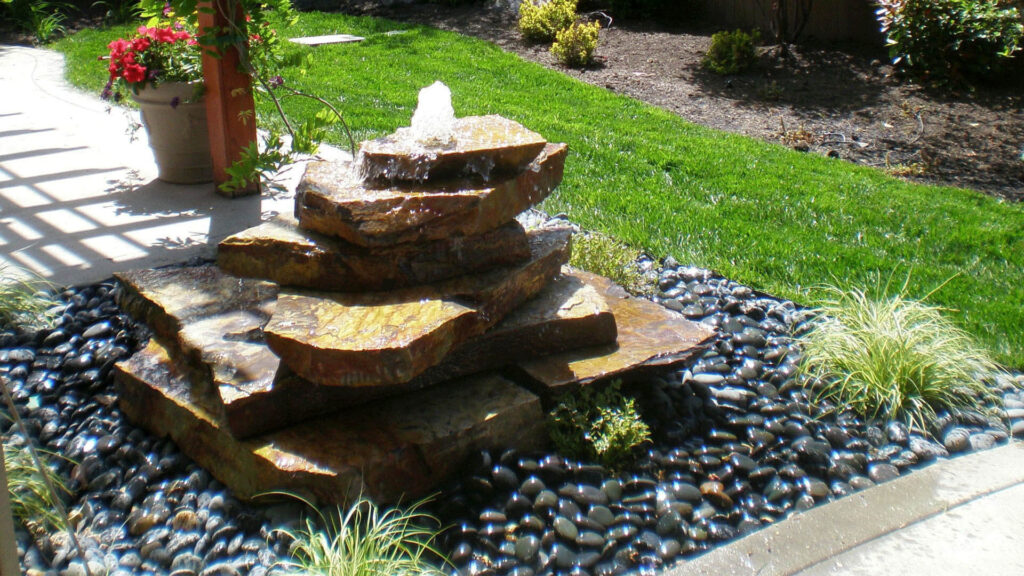
Choosing the right fountain begins with understanding its intended location and role. Size, shape, water flow, available utilities and the amount of maintenance the owner can manage should guide the selection.
Wall-Mounted Water Fountains
Wall-mounted fountains create a vertical water feature without occupying as much floor space as a freestanding installation. They can be designed with stone, tile, glass or other suitable finishes, depending on the desired appearance and technical requirements. A wall fountain needs a properly designed water collection area and a reliable method of preventing moisture from damaging the surrounding wall.
Freestanding and Decorative Fountains
Freestanding fountains can serve as focal points in living rooms, entrance halls, courtyards and selected commercial spaces. Their height, footprint and water movement should remain proportionate to the surrounding area. A compact design may suit a small interior, while a larger feature requires sufficient clearance and a practical route for maintenance.
Garden, Pond and Pool Fountains
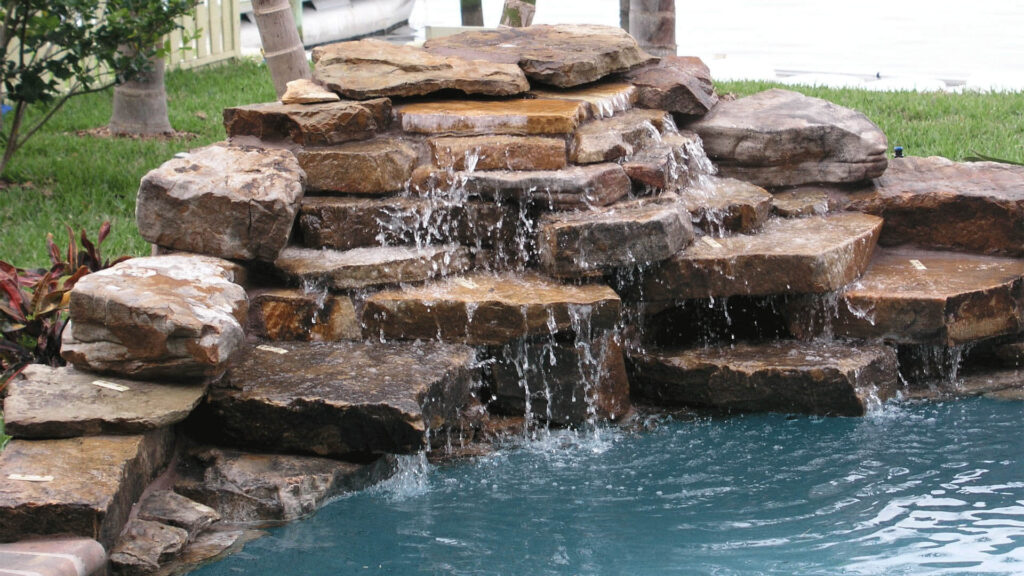
Garden and pond fountains can combine water movement with planting, stonework and landscape lighting. Pool fountains require additional consideration of water circulation, splash patterns, equipment compatibility and safe access around wet surfaces. Their design should be coordinated with the pond or pool system rather than treated as a purely decorative addition.
Contemporary and Traditional Fountain Designs
Contemporary fountains often use clean lines, restrained materials and controlled water movement. Traditional designs may incorporate carved details, textured stone or more elaborate forms. The choice should reflect the architecture and the owner’s preferences, with particular attention to the practicality of the selected materials and detailing.
Materials, Lighting and Water-Flow Design
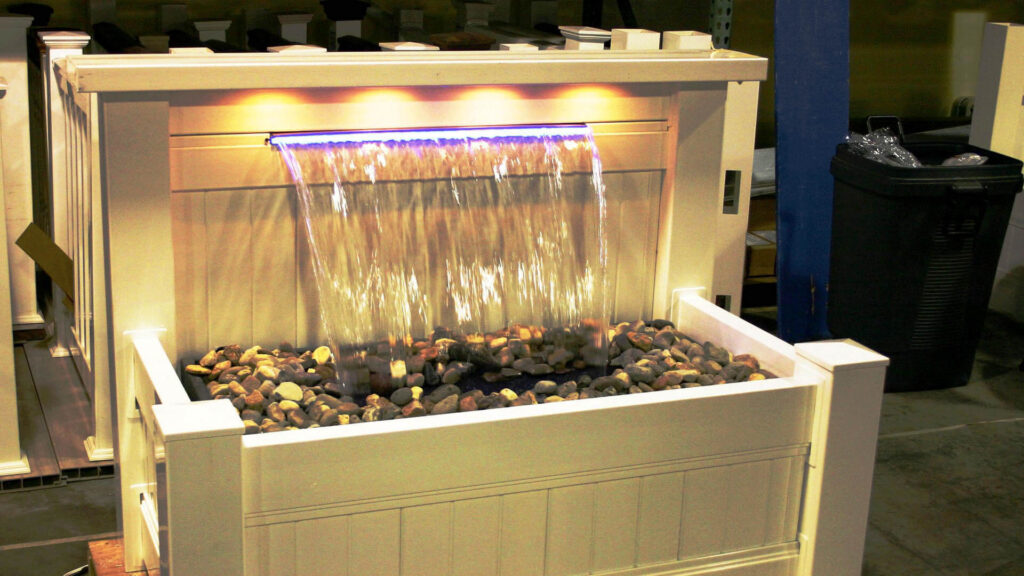
Material selection influences the appearance, durability and maintenance needs of a fountain. Stone, tiles, glass, concrete and selected metal finishes may be suitable depending on whether the installation is indoors or outdoors. The specification should account for water exposure, cleaning requirements, surface texture and compatibility with the surrounding construction.
Lighting can highlight the movement of water and create visual interest after dark. Carefully positioned lighting is generally more effective than adding too many bright fixtures. For water-exposed locations, lighting equipment and electrical installations must be suitable for the environment and installed by qualified professionals.
Water flow also affects the experience of the space. A gentle cascade may be appropriate for a quiet interior, while a more pronounced flow can suit a large outdoor feature. Pump capacity, water depth, splash control and sound should be considered together. A design that looks attractive in a rendering must still be practical to operate and maintain.
Planning a Water Fountain for Bangladesh’s Climate
Local weather conditions should influence the design of outdoor fountains. Rainfall, humidity, dust, sunlight and seasonal changes can affect exposed finishes and surrounding surfaces. The fountain should have a suitable drainage arrangement, and its construction should prevent unwanted water from collecting near walls, walkways or building foundations.
Material selection should reflect the level of exposure and expected maintenance. Slip-resistant surfaces may be appropriate around areas where water can reach pedestrian routes. Waterproofing, pump access, electrical protection and safe cable routing should be included in the technical planning rather than left until installation.
For indoor fountains, moisture management is equally important. Water should remain within the intended basin or collection system, and the surrounding finishes should be suitable for the expected conditions. These practical details help protect the appearance of the feature and the building around it.
Our Water Fountain Design Process
A structured process helps align the design with the property, budget and installation requirements. The exact stages will depend on the scope of the project and whether the client requires design consultancy, installation coordination or a broader interior or landscape service.
1. Consultation and Requirement Assessment
The first stage is to understand the location, preferred style, intended use and available budget. The design team should establish whether the fountain is planned for a residence, office, hotel, restaurant, garden or other setting. Existing drawings, photographs and site conditions can help clarify the requirements.
2. Site Measurement and Design Planning
The proposed location should be assessed for available space, access, water supply, drainage, electrical requirements and nearby finishes. Measurements help determine the fountain’s proportions and identify practical constraints before the design is finalized.
3. Concept, Materials and Visualization
The design concept should define the fountain’s form, finish, water movement and relationship with the surrounding interior or landscape. Where included in the agreed scope, 2D layouts or 3D visualizations can help the client review the concept before work begins. Material and lighting selections should be made with appearance, durability and maintenance in mind.
4. Technical Coordination and Installation Planning
Before installation, the relevant construction and service requirements should be confirmed. These may include the supporting base, waterproofing, water circulation, drainage, pump access, lighting and electrical safety. The scope of work should clearly state which elements are handled by Circle Interior Ltd and which require specialist contractors.
5. Inspection and Handover
The completed fountain should be checked against the approved design and agreed scope. Where installation is included, the checks should cover water flow, visible leakage, splash control, lighting and equipment access. The owner should also receive practical guidance on routine cleaning and the recommended maintenance arrangements.
Water Fountain Design Cost in Bangladesh
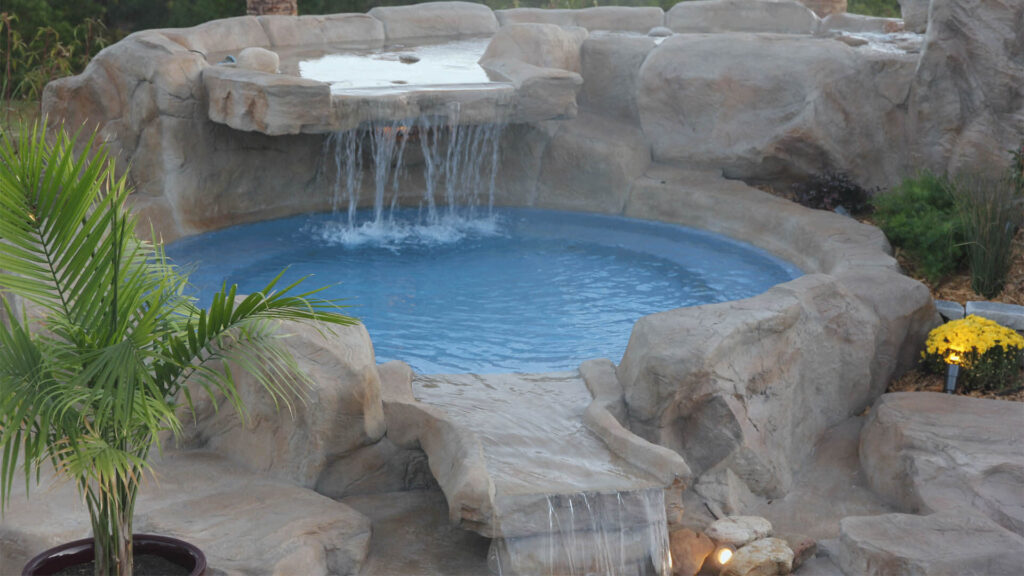
The cost of a water fountain in Bangladesh depends on its dimensions, construction method, materials, equipment and installation requirements. A small decorative indoor fountain is generally a different project from a custom-built garden feature or a large fountain for a hotel or commercial property. For this reason, a reliable quotation should be based on the specific design and site conditions.
Key factors affecting the budget include:
- Size and complexity: Larger structures and more elaborate water effects generally require more materials and work.
- Materials and finishes: Stone, tile, glass, metal and custom finishes have different supply and installation requirements.
- Pumps and water circulation: Equipment needs depend on the fountain’s dimensions and desired water movement.
- Lighting and controls: Additional lighting or automation may increase the equipment and installation scope.
- Site preparation: Structural support, waterproofing, plumbing, drainage and electrical work can affect the total cost.
- Maintenance access: A design that allows convenient access to pumps and collection areas can simplify future servicing.
Online price examples should be treated as indicative rather than as a quotation for a custom project. Before confirming a budget, establish whether the proposed price includes design, materials, equipment, civil work, installation, testing and any aftercare. Contact Circle Interior Ltd to discuss the project requirements and request a quotation based on the actual scope.
Why Plan Your Water Fountain with Circle Interior Ltd?
A water fountain should complement the property’s overall design while remaining practical to operate. Coordination between the fountain, surrounding finishes, lighting, circulation routes and landscape elements helps create a more unified result. A clear scope of work also helps the client understand which design and implementation services are included.
Circle Interior Ltd should support this service page with relevant portfolio photographs, project descriptions and a transparent explanation of its responsibilities. If the company has completed fountain projects, each example should identify the project type, design challenge, materials and work completed, where those details can be verified. Authentic project evidence gives potential customers a more useful basis for assessing the service than broad promotional statements.
Discuss Your Water Fountain Design Project
A carefully planned water fountain can become a distinctive feature of a residence or commercial property when its design, construction requirements and maintenance needs are considered together. Circle Interior Ltd can use an initial consultation to understand the proposed location, design preferences and project scope.
Contact Circle Interior Ltd to discuss your water fountain design requirements in Bangladesh and determine the next steps for planning a feature that suits your space.