





Functional and Beautiful Terrace Interior Design
A terrace can serve several purposes within a home. It may provide a quiet seating corner, a place for family gatherings, a small garden, an outdoor dining area or a combination of these functions. Good design starts by identifying the most important activities and organizing the space so that furniture, planting and movement work together.
Terraces in Bangladesh need particular attention to sun exposure, monsoon rain, humidity and water drainage. Materials suitable for indoor rooms may not perform well in an exposed outdoor environment. Planning these conditions alongside the visual concept helps create a terrace that is easier to use and maintain throughout the year.
Our Terrace Interior Design Services
Every terrace has different dimensions, exposure conditions and household requirements. The design should reflect the existing building, available access, preferred style and intended use of the space. The following elements can be incorporated according to the project scope.
Terrace Layout and Space Planning
Effective space planning helps a terrace feel organized rather than crowded. The layout should consider entrances, doors, circulation routes, furniture dimensions, planting areas and any existing service points. Keeping a clear route through the terrace makes it easier for people to move around and helps preserve access for cleaning and maintenance.
Smaller terraces often benefit from a focused arrangement with a limited number of well-chosen features. A compact seating group, vertical planting and a small side table may be more useful than filling the floor with furniture and large planters. Larger terraces can accommodate distinct seating, gardening and dining zones, provided the layout remains practical.
Outdoor Seating and Furniture
Outdoor furniture should suit the terrace’s size and exposure to the elements. Aluminium, appropriately treated wood, suitable outdoor-rated synthetic wicker and other weather-resistant options may be considered according to the design and budget. Cushions and textiles should be selected for their intended outdoor use, and movable pieces can make the area easier to rearrange.
Comfort depends on more than the furniture style. Seat dimensions, table height, spacing and access all influence how the terrace functions. A pair of chairs may suit a quiet corner, while a bench or a compact outdoor sofa may work better for family use. Furniture placement should also preserve access to doors, drains and other important areas.
Terrace Garden and Greenery
Plants can soften hard surfaces and make a terrace feel more inviting. Depending on the available sunlight and maintenance preferences, the design may include container plants, vertical greenery, raised planters or a selected mix of ornamental plants. Plant selection should reflect the actual growing conditions rather than appearance alone.
Planter placement needs careful consideration. Large containers can add substantial weight, particularly when filled with wet soil and mature plants. Before installing heavy planters, raised beds or other substantial features, confirm that the structure can support the proposed loads. Drainage from plant containers should also be managed so that water does not accumulate on the terrace or affect adjacent surfaces.
Flooring and Weather-Resistant Materials
Terrace flooring should suit outdoor exposure, foot traffic, cleaning requirements and the overall design. Appropriate outdoor-rated tiles, textured surfaces and other materials designed for exterior use may be considered. The final choice should account for slip resistance, heat under direct sunlight, maintenance and compatibility with the existing terrace surface.
Water management is just as important as appearance. The surface and drainage arrangement should allow rainwater to flow toward the intended outlets without creating persistent puddles. Existing waterproofing and drainage conditions should be assessed before major flooring changes or fixed features are installed. Any repairs or alterations should be specified for the actual site conditions.
Shade, Lighting and Privacy
Shade can make a terrace more comfortable during sunny periods. Depending on the building and site conditions, the design may incorporate a suitable canopy, pergola, outdoor umbrella or other shading solution. Any fixed shade structure should be checked for appropriate anchoring, wind exposure and building requirements before installation.
Outdoor lighting can support evening use while highlighting selected plants, seating areas or architectural features. Wall lights, suitable exterior-rated fixtures and discreet accent lighting can be combined to provide practical visibility. Privacy may be improved through carefully positioned planters, screens or outdoor partitions, provided these do not obstruct drainage, airflow or required access.
Outdoor Dining and Relaxation Areas
A terrace can be planned as an additional place for meals, tea, conversation or family gatherings. A small table and suitable seating may be sufficient for a compact space, while a larger terrace can accommodate a more defined dining area. The layout should allow people to sit and move comfortably without interfering with entrances or service access.
If the design includes a barbecue, outdoor cooking equipment, water feature or other specialized installation, its location and requirements should be assessed before the layout is finalized. Utilities, ventilation, fire safety, waterproofing and structural suitability may require input from qualified professionals. Decorative elements should be added only after these practical requirements have been addressed.
Terrace Design Ideas for Different Spaces

The best terrace concept depends on the available area, building type and intended use. A small apartment terrace may need a compact, easy-to-maintain arrangement, while a larger residential terrace can support more than one functional zone. The design should respond to the space instead of copying a style that may not suit its dimensions or exposure.
Modern Minimalist Terrace Design
A minimalist terrace uses a restrained palette, simple furniture and carefully selected details. Neutral surfaces, clean-lined seating and a few well-positioned planters can create a balanced look without overwhelming the area. The limited number of decorative features also makes it easier to keep the space visually organized.
Terrace Garden Design
A terrace garden emphasizes greenery through a planned arrangement of containers, vertical planting and selected focal plants. The layout should consider sunlight, watering access, drainage and the maintenance needs of each plant. A combination of plant heights and leaf textures can add depth while keeping walking routes clear.
Small Terrace Design
A small terrace benefits from furniture that matches the available dimensions and does not block movement. Folding chairs, compact tables, wall-mounted features and vertical planters can help preserve usable floor space. The design should prioritize the features that matter most, such as seating, gardening or relaxation, rather than attempting to accommodate every possible use.
Family and Entertainment Terrace
A family terrace may include group seating, a dining table or a dedicated area for informal gatherings. Durable finishes and furniture that is easy to clean can be useful in frequently used spaces. The layout should allow comfortable movement and maintain access to drainage outlets, doors and any existing building services.
Important Considerations for Terrace Design in Bangladesh
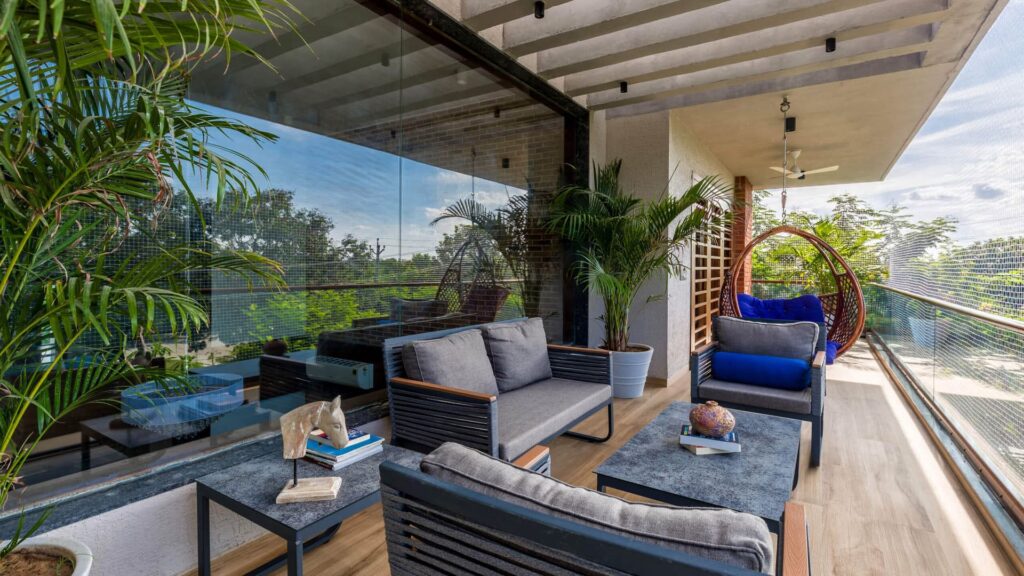
Terrace design needs to respond to the local environment as well as the desired style. Heat, intense sunlight, seasonal rain and humidity can affect the comfort, durability and maintenance of outdoor spaces. Material specifications, planting choices and furniture finishes should be selected with these conditions in mind.
Waterproofing and drainage deserve particular attention before decorative work begins. Check the existing surface, drainage outlets and signs of water accumulation before installing new flooring, planters or fixed structures. For substantial additions, structural capacity and building requirements should be confirmed by qualified professionals. These checks help reduce the risk of damage and make the design more suitable for long-term use.
Our Terrace Interior Design Process
A structured process helps connect the design concept with the terrace’s actual conditions, functional needs and budget. The exact stages depend on the services included in the project agreement.
1. Initial Consultation and Site Assessment
The process begins with a discussion about the intended use, preferred style, available budget and desired features. Site dimensions, access points, sun exposure, drainage and existing surfaces should be reviewed to identify practical constraints.
2. Layout and Concept Development
The proposed layout organizes seating, greenery, circulation and any additional functional areas. The design direction can then be developed through furniture choices, materials, lighting and planting arrangements that suit the space.
3. Material and Feature Selection
Flooring, furniture, planters, lighting and shade features are reviewed against the design concept and budget. Structural, waterproofing, drainage and installation requirements should be clarified before approving features that could affect the building or existing terrace surface.
4. Implementation and Final Review
Where implementation is included in the agreed scope, the approved design and specifications guide the work. The final review should check the agreed finishes, furniture arrangement, lighting, drainage access and practical usability of the completed space.
Why Consider Circle Interior Ltd?
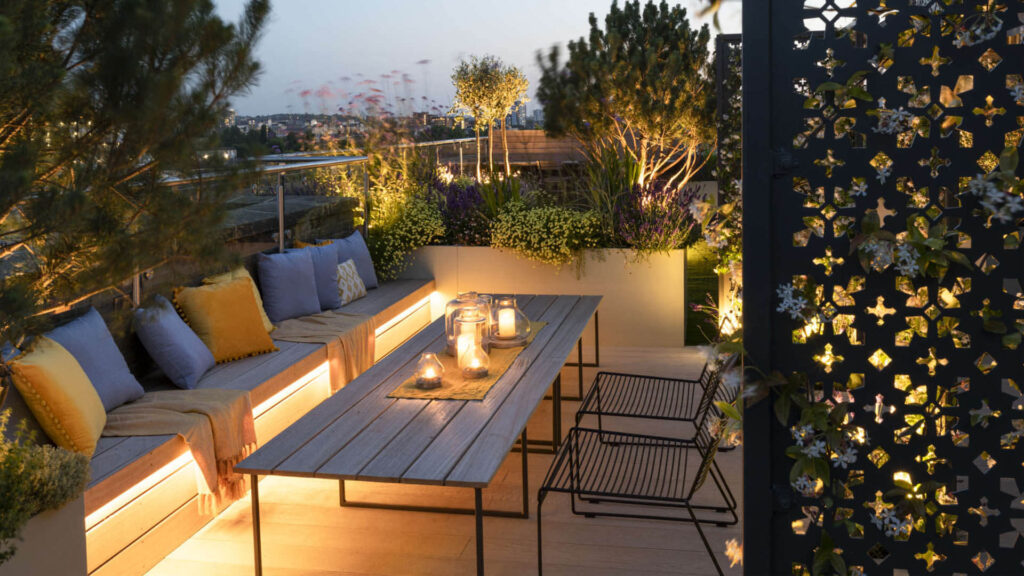
A terrace design project should reflect the client’s requirements while accounting for the physical conditions of the space. The design team needs to consider how the terrace will be used, which materials suit the exposure conditions, how furniture and planting fit the layout, and what maintenance will be required.
Circle Interior Ltd offers interior design services for residential spaces. For a terrace project, discuss the available area, desired features, preferred materials and budget with the team. Reviewing relevant portfolio examples and confirming the proposed scope, material specifications and implementation arrangements can help you evaluate whether the design solution meets your needs.
Terrace Interior Design Cost in Bangladesh
Terrace interior design cost in Bangladesh depends on the terrace area, surface condition, materials, furniture, planting, lighting and extent of implementation. A simple seating arrangement with a few planters will have different requirements from a project involving new flooring, customized shade, extensive landscaping or fixed outdoor features.
The condition of the existing terrace can also affect the budget. Waterproofing repairs, drainage improvements, electrical work or structural assessments may need to be addressed separately from decorative design. For a more useful estimate, share the site dimensions, photographs, preferred design style and features you want included. Request a project-specific quotation that clearly identifies the scope, material specifications, exclusions and any additional work that may be required.
Plan Your Terrace Design with Circle Interior Ltd
A well-planned terrace can become a useful extension of your living space, with comfortable seating, greenery, suitable lighting and materials selected for outdoor conditions. The best results begin with a clear understanding of the terrace dimensions, intended use, drainage, exposure and budget.
Contact Circle Interior Ltd to discuss your terrace interior design project in Bangladesh. Share the location, approximate area, current condition and features you want to include so the team can understand your requirements and discuss the next steps.