





Practical and Inviting Tea Cafe Interior Design
A successful tea café needs more than attractive decoration. Customers should be able to enter comfortably, understand where to order, find a suitable seat and move around without obstructing staff or other visitors. At the same time, the preparation counter needs enough room for equipment, ingredients, serving items and order handling.
The interior concept should reflect the type of business being developed. A traditional tea shop may benefit from familiar materials and a relaxed seating arrangement, while a modern milk-tea café may use contemporary furniture, a clear menu display and a distinctive feature wall. Circle Interior Ltd can develop a design direction around the available space, intended customers, preferred style and project budget.
Our Tea Cafe Interior Design Services
Each tea café has its own operational needs. A takeaway-focused shop, a neighbourhood tea corner and a sit-down café require different layouts, furniture and customer areas. The following design elements can be considered according to the project requirements.
Space Planning and Seating Layout
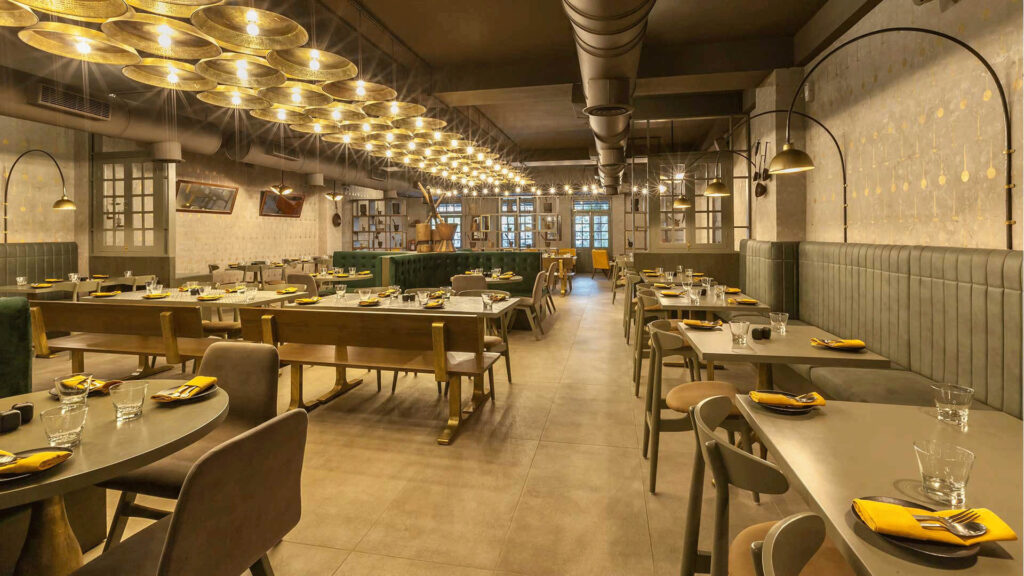
Effective space planning helps a tea café accommodate customers while preserving clear routes for ordering, serving and cleaning. The layout should account for the entrance, service counter, seating, staff movement and any required storage. Furniture dimensions need to be checked against the actual floor plan before the arrangement is finalized.
A compact tea shop may need a simple row of tables or a counter with limited seating, while a larger café can include separate areas for individuals and groups. The aim is to use the available floor area efficiently without making customers feel crowded. Entry access, circulation and practical movement should take priority over adding unnecessary decorative features.
Tea Preparation Counter and Service Workflow
The tea counter is one of the most important parts of the interior because it supports daily operations and often forms the customer’s first point of interaction. Its layout should consider order placement, tea preparation, equipment, ingredient storage, serving and payment. These activities need to be arranged so staff can work comfortably and customers can understand where to order and collect their drinks.
Counter height, worktop material, storage access and equipment placement should be confirmed during planning. A visible menu board and clear ordering point can make the service area easier to navigate. For takeaway-focused shops, the design should also account for waiting customers and collection space without blocking the entrance or the main circulation route.
Furniture and Customer Comfort
Tea café furniture should match the business concept and the amount of space available. Compact two-person tables can suit smaller premises, while shared tables or booth-style seating may work for cafés that encourage longer visits. The choice should also reflect how frequently furniture will be moved, cleaned or rearranged.
Comfort does not always require oversized furniture. Appropriate seat height, table dimensions, spacing and back support can make a meaningful difference to the customer experience. Furniture finishes should be selected for durability and maintenance, particularly in high-use areas where spills and frequent cleaning are expected.
Lighting, Colors and Ambience
Lighting helps establish the character of a tea café while supporting practical activities. General lighting should provide adequate visibility throughout the shop, and focused lighting can make the counter, menu and selected display areas easier to see. Decorative pendants, wall lights or indirect lighting may be used to create a warmer atmosphere where they fit the design concept.
Color choices should complement the café’s identity and intended customer experience. Wood tones, muted greens, warm neutrals or earthy colors can suit a relaxed tea-focused setting, while brighter accents may be appropriate for a contemporary milk-tea brand. The palette should remain coordinated across furniture, walls, signage and finishes instead of relying on decoration alone to create visual interest.
Materials, Cleaning and Ventilation
Tea cafés experience regular customer traffic, beverage spills and frequent cleaning. Flooring, wall finishes, countertops and furniture surfaces should be selected with these conditions in mind. Materials need to suit their location, expected use and maintenance requirements, with particular attention to surfaces around the preparation counter and sink.
Ventilation and heat management should be considered alongside the interior concept, especially where hot-water equipment, cooking appliances or limited airflow affect the space. Lighting, electrical points and equipment requirements should be coordinated with the relevant project professionals. These practical considerations help ensure the design is suitable for daily operation as well as appearance.
Branding, Menu Displays and Feature Walls
The interior can help customers recognize the tea café and understand what makes it different. Brand colors, signage, menu boards, wall graphics and selected decorative details can be integrated into the overall concept. A clear visual identity is especially useful for a café that wants a recognizable look across its physical shop and digital marketing.
A feature wall, display shelf or distinctive counter backdrop can create a focal point without filling the entire shop with decoration. Tea-related artwork, local design references or a modern graphic treatment may be appropriate, depending on the brand. The key is to select features that reinforce the café’s identity and remain consistent with the furniture, lighting and finishes.
Tea Cafe Design Ideas for Different Business Types
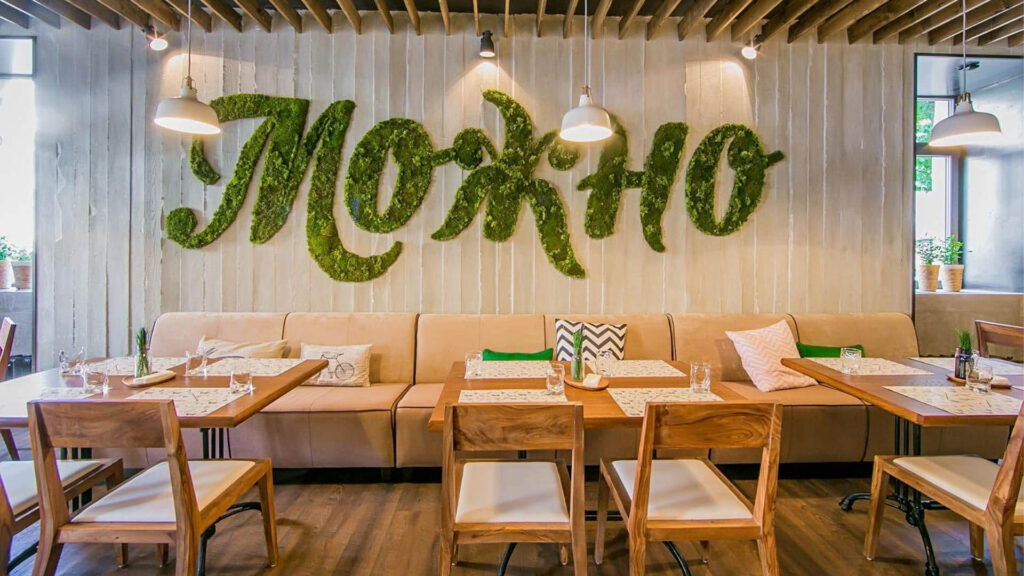
The design should reflect how the tea business operates rather than follow a single style. A traditional tea shop, a contemporary milk-tea outlet and a destination café may serve different customers and have different requirements for seating, display and preparation.
Traditional Tea Shop Interior Design
A traditional tea shop can use simple furniture, practical counters and warm, familiar finishes to create an approachable setting. Wood-inspired surfaces, restrained decorative elements and a straightforward seating layout can support a relaxed atmosphere without making the space difficult to maintain. The final design should reflect the local customer base and the way tea is prepared and served.
Modern Milk Tea Shop Interior Design
A modern milk-tea shop may benefit from a clearly visible menu, organized preparation counter, coordinated brand colors and compact furniture. The layout should provide enough room for drink preparation, ingredient storage and order collection, especially during busy periods. Decorative lighting and a distinctive wall or counter finish can help create a recognizable visual identity without interfering with service.
Small Tea Shop Interior Design
Small tea shops need careful control of furniture size and circulation. Wall-mounted shelves, compact tables, vertical storage and a well-organized counter can help use limited space effectively. If most orders are takeaway, the design may prioritize the preparation area and customer queue over a large dining section.
Premium Tea Cafe Interior Design
A premium tea café may use more detailed finishes, carefully selected lighting and a more varied seating arrangement to establish its intended atmosphere. Display shelves, customized furniture and coordinated materials can contribute to the concept. These features should be planned around the budget and operational requirements so the space remains practical as well as visually distinctive.
Our Tea Cafe Interior Design Process
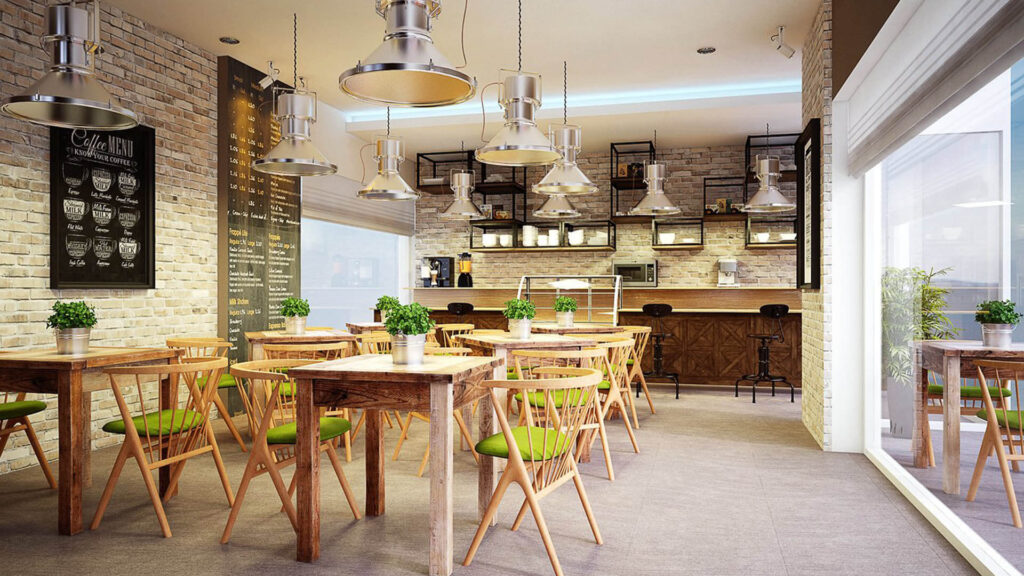
A clear design process helps align the concept with the available space, operating needs and budget. The exact stages depend on the services included in the project agreement.
1. Consultation and Requirement Assessment
The initial discussion covers the café concept, target customers, menu, seating needs, available floor area and budget. Existing plans, photographs or site measurements can help identify constraints and establish the project’s priorities.
2. Layout Planning and Concept Development
The design team develops a proposed layout around customer movement, seating, counter operations and storage. The visual direction can then be developed through coordinated choices for colors, materials, furniture, lighting and branding.
3. Material and Furniture Selection
Materials, furniture dimensions, counter finishes and lighting options are reviewed against the approved concept and budget. Confirming specifications before implementation helps clarify the scope and reduce avoidable changes.
4. Implementation and Final Review
If execution is included in the agreed scope, the approved design guides the installation and finishing work. The final review should check the completed work against the agreed specifications, including furniture placement, counter usability, lighting and finish quality.
Why Consider Circle Interior Ltd?
Selecting an interior design company means considering how well the proposed design addresses the needs of the business. A useful service should account for the physical space, daily workflow, customer comfort, material requirements and intended brand identity. Clear communication about scope, specifications and budget is also important before work begins.
Circle Interior Ltd provides interior design services for different types of spaces. For a tea café project, discuss the business concept, floor plan, expected seating, preparation requirements and preferred design style with the team. Review relevant portfolio examples and confirm the project scope, material specifications and implementation arrangements before making a decision.
Tea Cafe Interior Design Cost in Bangladesh
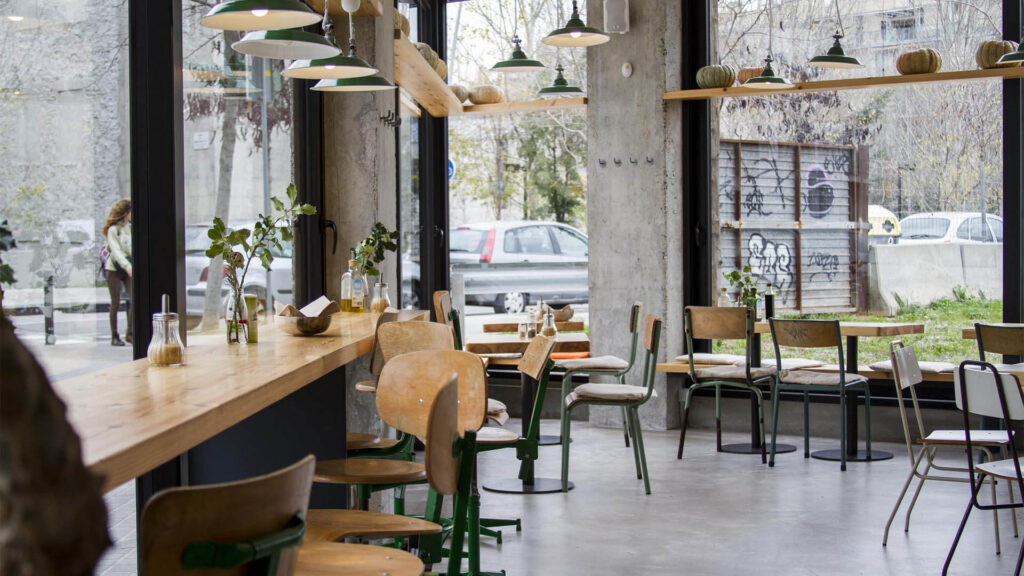
Tea cafe interior design cost in Bangladesh depends on the floor area, design complexity, furniture requirements, counter specifications, selected materials and extent of implementation. A small takeaway tea shop with a straightforward counter may have different requirements from a larger café with customized seating, extensive decorative finishes and additional service areas.
To prepare a useful budget, identify the work that needs to be completed, the furniture and equipment that must be accommodated, the finishes you prefer and any existing elements that can remain. Request a project-specific quotation with a clear breakdown of the agreed scope, material specifications, exclusions and implementation arrangements. Circle Interior Ltd can discuss your requirements to determine a suitable design scope.
Discuss Your Tea Cafe Interior Design Project
A well-planned tea café combines a welcoming atmosphere with a layout that supports preparation, service, seating and cleaning. The most suitable design depends on the business concept, available space, customer needs and budget.
Contact Circle Interior Ltd to discuss your tea cafe interior design project in Bangladesh. Share your location, floor area, preferred style and key requirements so the team can understand the project and discuss the appropriate next steps.